
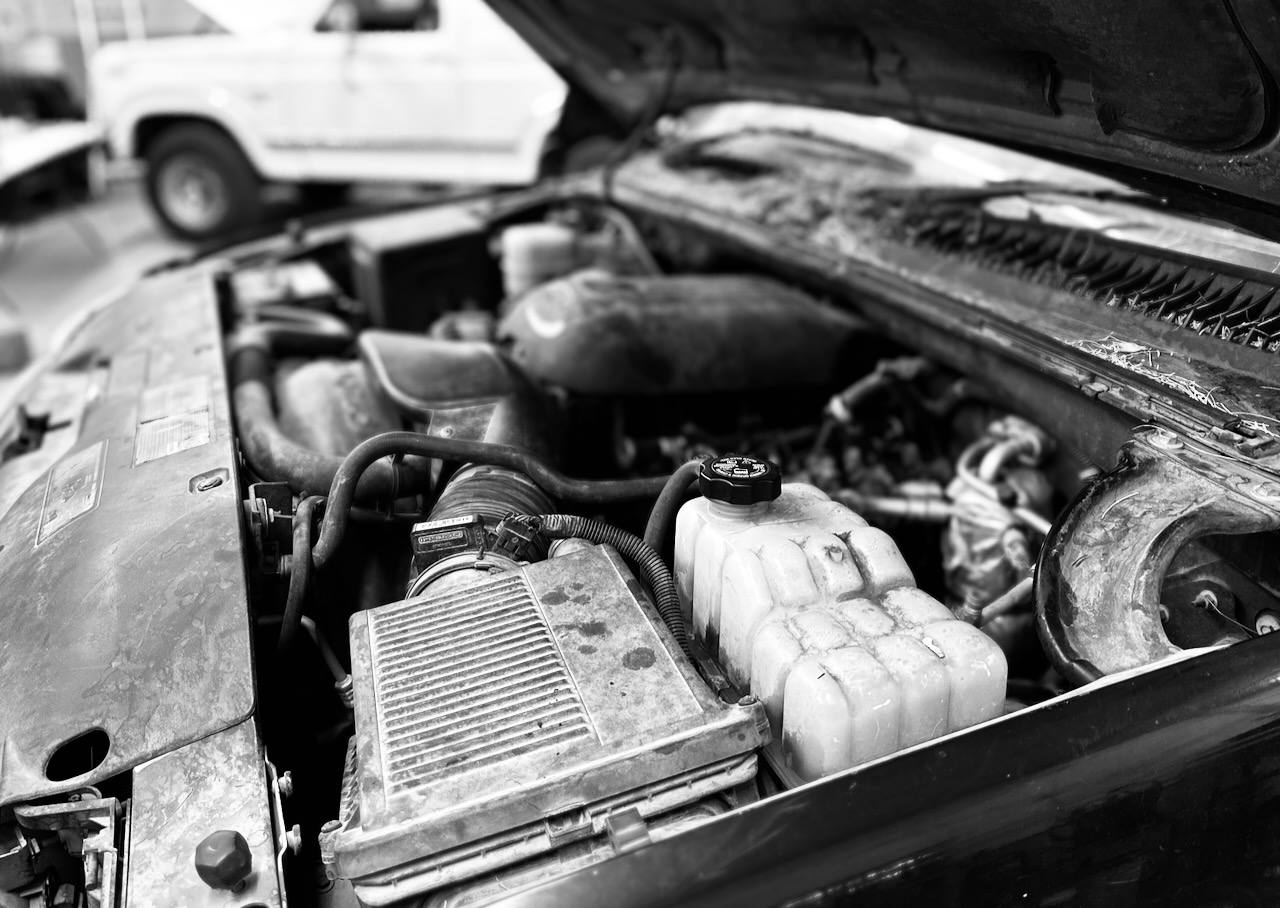
An overheating engine is one of the few car problems that can do serious, expensive damage in a matter of minutes — and Tucson summers are exactly when it happens. If your temperature gauge is climbing toward the red or you see steam, what you do in the next few minutes matters a lot. Let's cover the emergency steps first, then why it happens.
What to do the moment it overheats
- Turn off the A/C and turn the heater on full. It feels miserable in summer, but the heater pulls heat away from the engine and can buy you time.
- Pull over safely and shut the engine off as soon as you can. The longer it runs hot, the greater the risk of warping or cracking.
- Do not open the radiator cap while it's hot — the system is pressurized and can spray scalding coolant. Let it cool.
- Let it cool down for at least 20–30 minutes before checking anything.
- Call for help. If it overheated once, it will again until the cause is fixed — driving it hot risks the engine.
An engine ruined by overheating is one of the most expensive repairs there is. When in doubt, stop and let it cool — it's almost always cheaper than pushing on.
Why engines overheat — especially here
The cooling system has to shed enormous heat, and Tucson's ambient temperatures give it almost no cushion. Common causes include:
- Low coolant, often from a leak in a hose, the radiator, or the water pump.
- A failing water pump that can't circulate coolant.
- A stuck thermostat that won't open to let coolant flow.
- A bad cooling fan, which is why some cars overheat in stop-and-go traffic but not on the highway.
- A clogged radiator caked with dust and debris.
Overheating is not the same as A/C trouble
People sometimes mix these up. Your A/C blowing warm is a comfort and safety issue but won't hurt the engine. An overheating engine is a mechanical emergency. They're separate systems with separate fixes, even though both get blamed on the heat.
Preventing it before summer
The best protection is a cooling-system check before peak heat: inspect hoses, the radiator, the water pump area, the fan, and the coolant condition and level. Catching a weeping hose or tired water pump in spring is far cheaper than a roadside boil-over in July.