
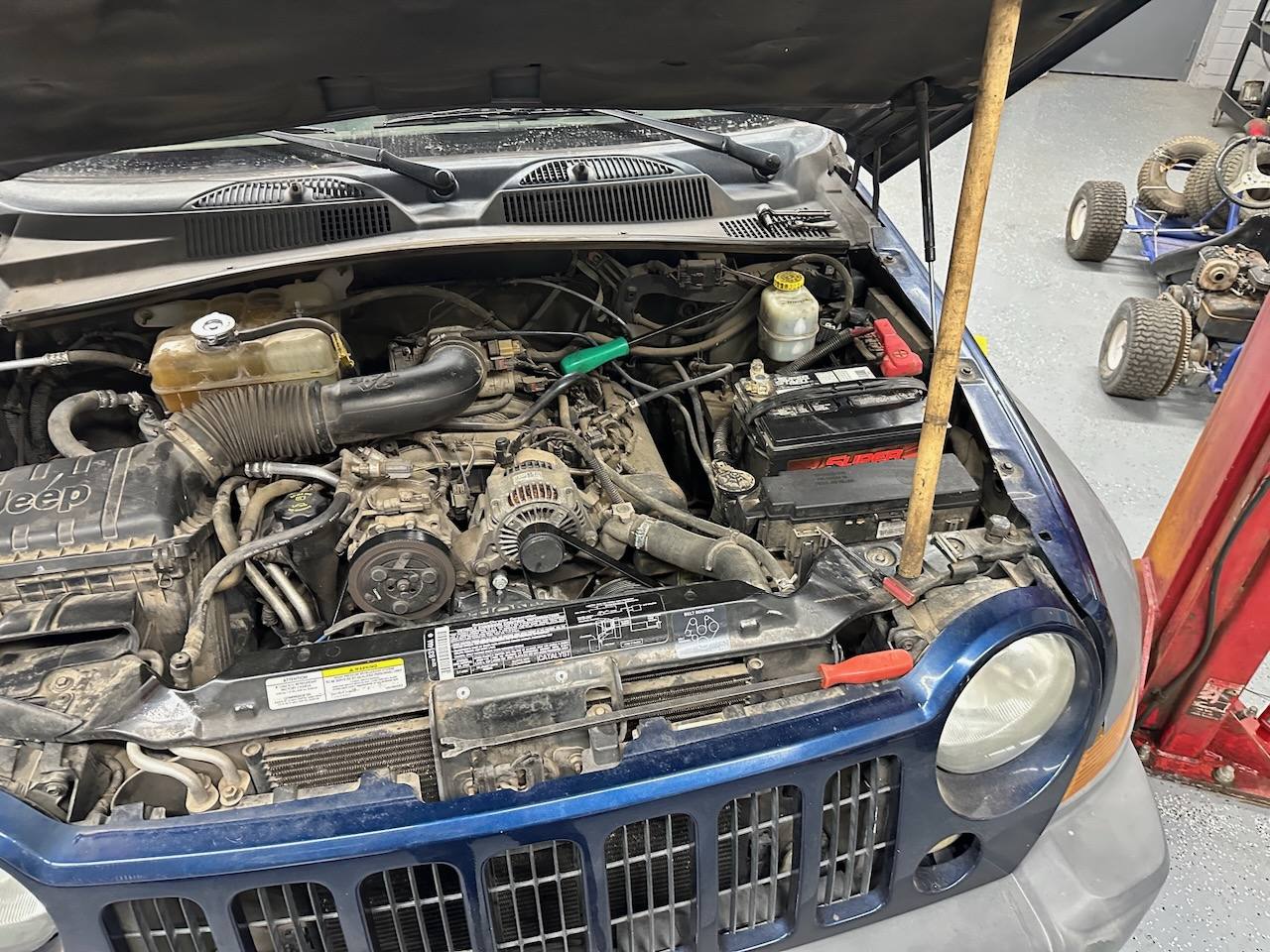
Most people think cold weather is what kills car batteries. In Tucson, it's the opposite: our heat is the real battery killer. The national average battery lasts four to five years, but in Arizona's climate it's common to see them give out in two to three. Knowing that changes how you should think about replacing one — before it leaves you stranded in a hot parking lot.
Why heat is so hard on a battery
A car battery makes power through a chemical reaction in a liquid electrolyte. Heat speeds that reaction up — which sounds good, but it also accelerates the breakdown of the battery's internal plates and evaporates fluid. The result is a battery that may crank fine right up until the day it suddenly can't. Cold weather often just exposes a battery that summer already weakened.
So how long should I really expect?
In our climate, plan on roughly three years and start paying attention after that. A battery that's served two Tucson summers is already past the easy part of its life. If yours is three or more years old, it's smart to have it tested before each summer rather than waiting for it to fail.
Warning signs your battery is on the way out
- The engine cranks slower than it used to, especially in the morning.
- Headlights or dash lights dim at idle.
- You've needed a jump-start, even once.
- A battery or charging warning light.
- The battery is simply more than three years old.
A battery test takes only a few minutes and tells you how much life is actually left — a lot better than guessing or getting stranded.
Battery, alternator, or starter?
A car that won't start isn't always the battery. The alternator recharges the battery while you drive, and the starter does the actual cranking. If a new battery dies again quickly, the alternator may not be charging it. We test the whole charging system, not just the battery, so you don't replace the wrong part.