
Tucson asks more of a car's air conditioning than almost any climate in the country. From May through September the system runs nearly every time you drive, often pulling a cabin down from 140 degrees to comfortable in a few minutes. A little attention before peak summer goes a long way toward avoiding a breakdown during the worst of it.
Get it checked in spring, not mid-July
The single best move is timing. A spring A/C check can catch a slow refrigerant leak or a tired compressor while it's still a small repair — and while shops have open appointments. By the time the air actually quits in July, you're competing with everyone else in town for a slot, often in 100-plus-degree weather. A quick performance check measures how cold the air really gets and flags problems early.
Keep the condenser clean
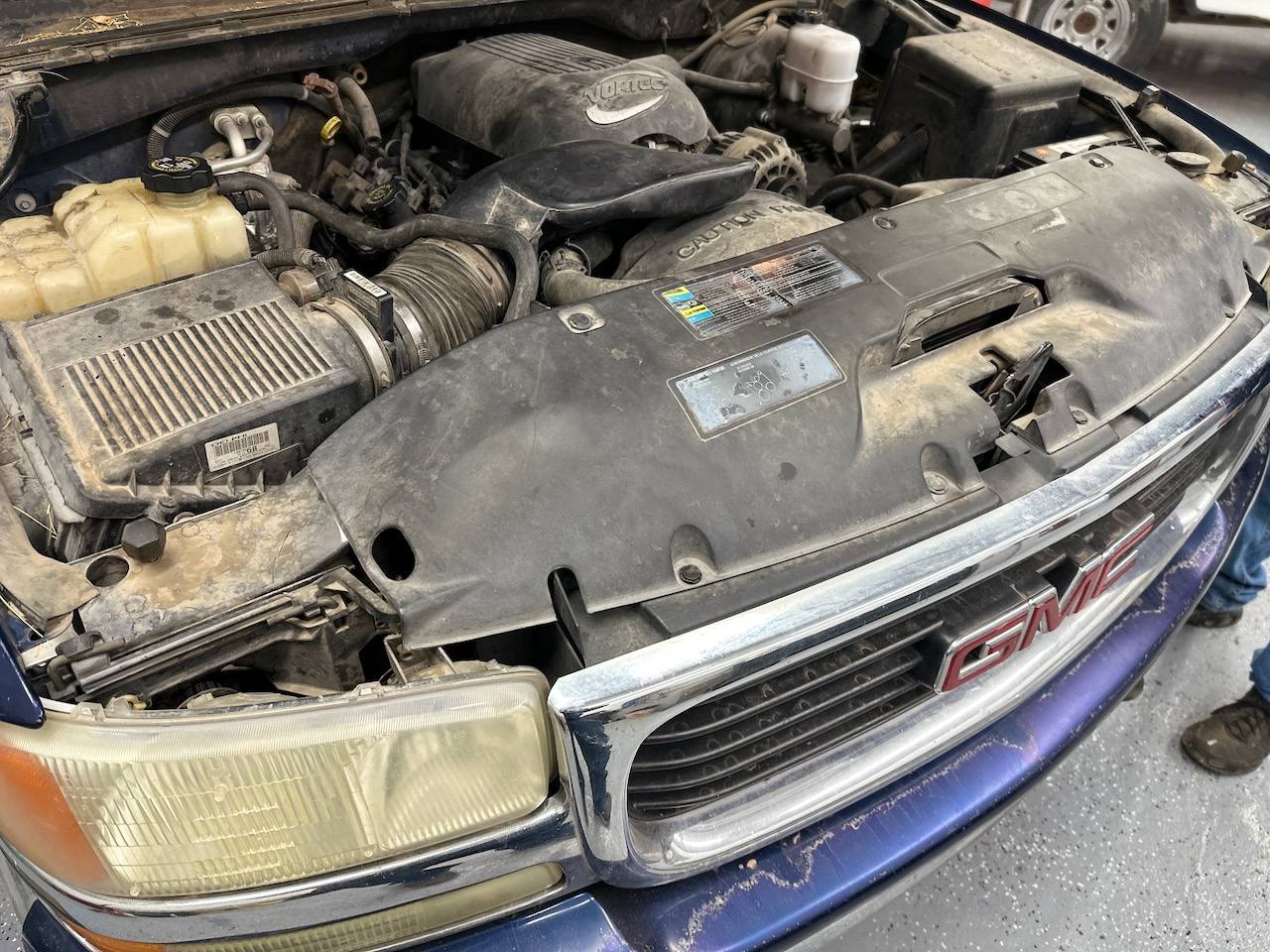
The condenser at the front of your car sheds heat, and Tucson dust and bugs clog its fins fast. Gently rinsing the front of the car and keeping the area clear helps it breathe. If you do a lot of dirt-road or monsoon driving, it's worth having the condenser looked at once a season.
Small habits that ease the load
- Crack the windows for the first 30 seconds to vent superheated cabin air before switching to recirculate — the system cools faster and works less.
- Park in shade or use a sunshade. Less heat soak means less strain every single drive.
- Run the A/C briefly in winter, too. Occasional use keeps seals lubricated so they don't dry out and leak.
- Replace the cabin air filter if airflow feels weak — a clogged filter makes good cold air feel feeble.
Know the early warning signs
Catch these and you usually catch a small repair: air that's cold on the highway but warm at idle, a faint sweet or oily smell, a clicking when the A/C engages, or cooling that's just not as strong as last year. None of these mean disaster — they mean it's time for a look.
In our climate, treating the A/C like a maintenance item instead of waiting for it to fail is the cheapest way to stay cool all summer.