
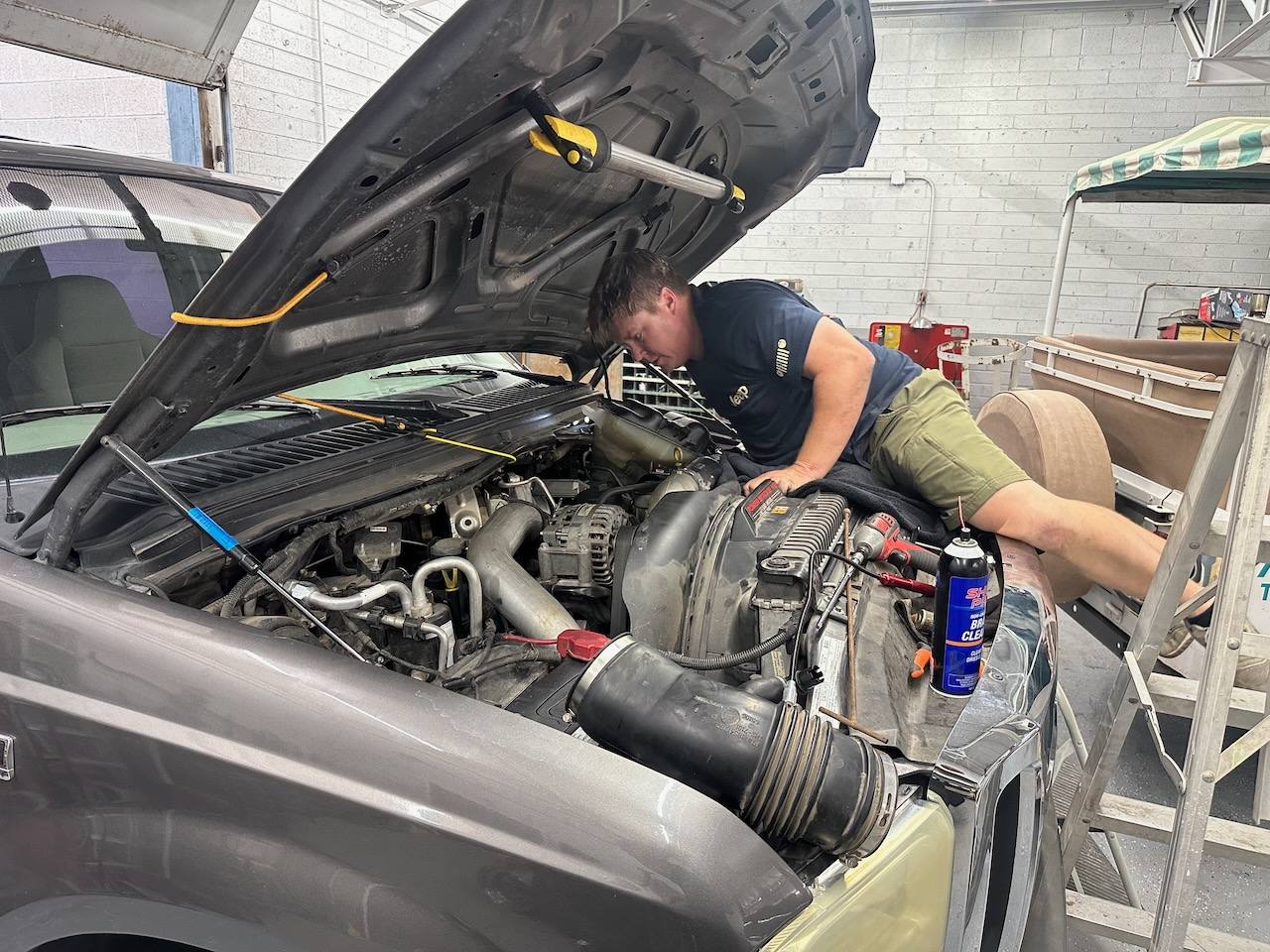
Few dashboard lights cause as much instant worry as the check engine light. The reassuring news: it covers a huge range of issues, from a loose gas cap to something that genuinely needs attention. The light's job isn't to tell you the car is doomed — it's to tell you the engine's computer noticed something and stored a code that points toward the cause.
Steady light vs. flashing light
This distinction matters most. A steady check engine light means the computer found a problem worth investigating, but you can usually drive carefully to get it diagnosed soon. A flashing check engine light is more serious — it typically signals an active engine misfire that can damage the catalytic converter. If it's flashing, ease off and get it looked at right away.
Rule of thumb: steady = schedule soon. Flashing = take it seriously now.
Common causes, from minor to major
- A loose or failing gas cap — surprisingly common, since it breaks the fuel system's seal.
- A failing oxygen sensor — affects fuel mixture and economy.
- A bad mass airflow sensor.
- Worn spark plugs or ignition coils, which can cause misfires.
- A catalytic converter problem, often downstream of an issue left too long.
- EVAP/emissions system leaks.
Why a code reader isn't the whole story
A scan tool pulls the trouble code, which is the starting point — not the diagnosis. A code might say "cylinder 3 misfire," but the actual fix could be a plug, a coil, a wiring issue, or something feeding into it. Good diagnosis uses the code as a clue and then tests to confirm the real cause, so you don't replace parts that weren't the problem.
What to do when it comes on
First, make sure the gas cap is tight — sometimes that's it, and the light may reset after a few drives. Note whether the light is steady or flashing and whether the car feels different. If it's flashing, or you notice rough running, loss of power, or odd smells, get it checked promptly rather than waiting.